ABOUT ISR
Small lessons. Meaningful skills.
Understand what your child learns, how lessons are structured and the role your family plays along the way.
What is Infant Swimming Resource® (ISR)?
Infant Swimming Resource®, or ISR, teaches survival swimming skills through individualized, one-on-one instruction. The focus is on helping children learn what to do in the water: float and breathe, and, as their development allows, combine swimming with floating.
Lessons are adapted to each child’s readiness, physical and emotional development, and previous experience in the water. Your child’s own progress guides the instruction.
INFANT SELF-RESCUE
A place to rest and breathe
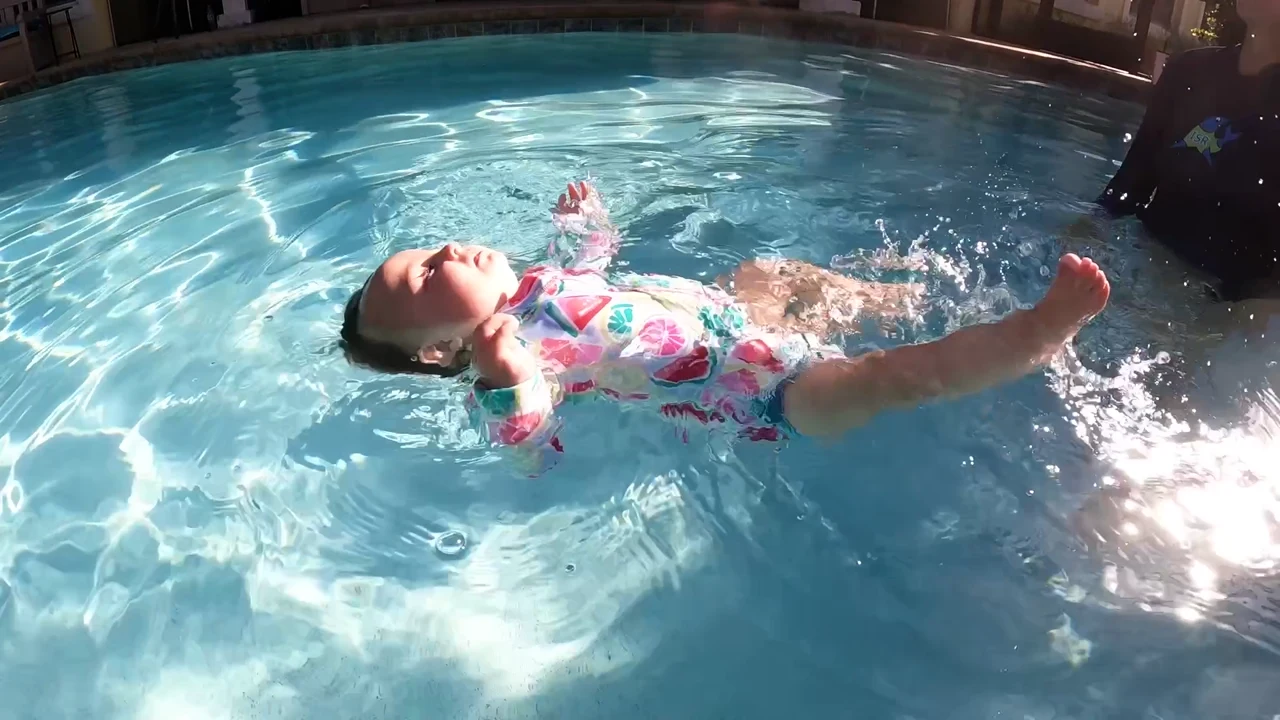
Infants learn to roll onto their backs, float, rest and breathe, and maintain that position until help arrives. Instruction focuses on skills appropriate to their stage of development.
To begin, an infant must be at least six months old, able to get into a seated position, and sit independently for one minute.
- Roll to the back
- Float
- Rest and breathe
- Maintain the float until help arrives
TODDLERS & YOUNG CHILDREN
Swim. Float. Swim again.
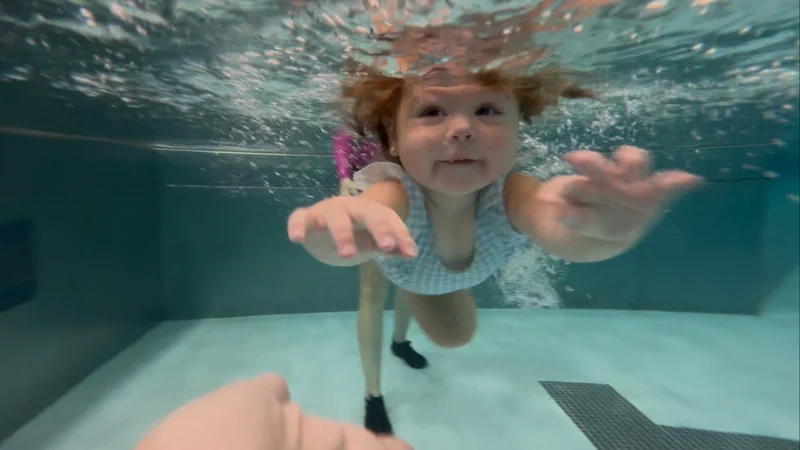
As children develop, instruction builds toward a swim-float-swim sequence. Children learn to swim with their heads down, roll onto their backs to float, rest and breathe, then return to swimming.
They repeat the sequence as needed to work toward an edge or safer location when possible, or maintain a float until help arrives when necessary. Skills are taught according to development and readiness.
- Swim
- Roll to the back and float
- Rest and breathe
- Return to swimming
Why short, frequent lessons?
ISR lessons follow a consistent rhythm, with focused instruction for one child at a time. The structure reflects decades of ISR research and experience.
- 10 minutesmaximum per daily lesson
- 5 daysof lessons per week
- 6–7 weekstypical program duration
Lessons are typically completed over 6–7 weeks, with timing guided by each child’s progress.
Five days a week is a real commitment, and it can take a village to make it work. A parent doesn’t need to bring your child to every lesson. Grandparents, babysitters, aunts, uncles, nannies or other trusted caregivers can help with lesson attendance. Consistent attendance remains important; your support system can help make that routine manageable for your family.
Why ISR?
One-on-one instruction gives your child focused attention, with room to build skills and confidence one step at a time. Lessons are tailored to the child in the water, rather than a group’s pace.
Parents are part of the learning process, too. Families receive the ISR Parent Resource Book and Family Aquatic Safety List to support their understanding of water safety beyond the lesson.
Picture the next step for your family.
Explore common parent questions, review upcoming session information or learn how registration will work.
ISR teaches practical Self-Rescue skills. It does not eliminate drowning risk or replace close adult supervision.